How to Clean Dogs Ears Safely: A Step-by-Step Guide for Healthy, Happy Ears
If you’ve ever wondered how to clean dogs ears, you’re not alone. Ear care is an important part of every dog’s grooming routine, yet it’s often overlooked until a problem develops. Regular ear cleaning can help prevent wax build-up, reduce unpleasant odours, and lower the risk of ear infections—especially in breeds with floppy ears or dogs that love swimming.
In this guide, you’ll learn how to clean dogs ears safely, how often you should do it, what you should avoid, and when it’s time to contact your veterinarian.
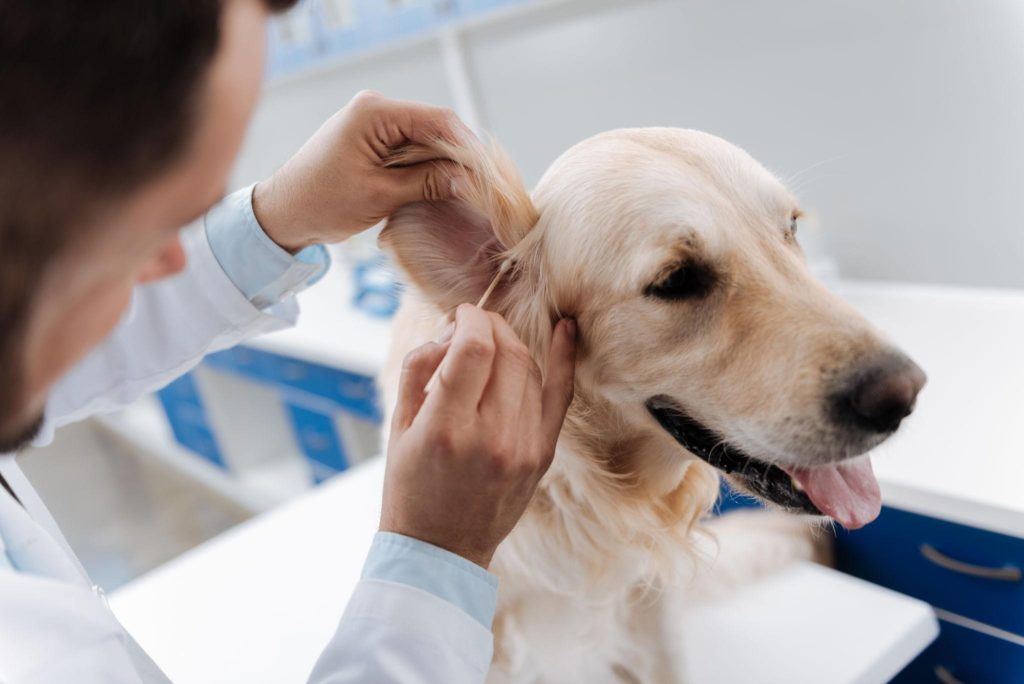
Why Is It Important to Clean a Dog’s Ears?
Dogs naturally produce ear wax to protect the ear canal. However, excess wax, trapped moisture, dirt, and debris can create an environment where bacteria and yeast thrive.
Routine ear cleaning can help:
- Remove wax and dirt build-up
- Reduce unpleasant ear odours
- Help prevent ear infections
- Remove moisture after swimming or bathing
- Allow you to spot problems early
- Keep your dog comfortable
Not every dog needs frequent ear cleaning. Dogs with upright ears may only need occasional maintenance, while breeds with long, floppy ears often require more regular checks.
Signs Your Dog’s Ears Need Cleaning
Before reaching for an ear cleaner, check your dog’s ears for signs they need attention.
Common signs include:
- Visible brown or yellow wax
- Mild dirt or debris
- A slight musty smell
- Head shaking
- Scratching at the ears
- Mild redness around the outer ear
If you notice severe redness, swelling, bleeding, pus, a strong foul smell, or your dog cries when the ear is touched, avoid cleaning the ear until it has been examined by a veterinarian.
What You’ll Need
Gather everything before you begin:
- A veterinarian-approved dog ear cleaning solution
- Cotton balls or soft gauze
- Towels
- Dog treats for positive reinforcement
Avoid using cotton buds (Q-tips), alcohol, hydrogen peroxide, or homemade solutions unless specifically advised by your veterinarian. These can irritate the ear or push debris deeper into the canal.
How to Clean Dogs Ears: Step-by-Step
Step 1: Choose a Calm Environment
Pick a quiet room where your dog feels relaxed. Offering treats throughout the process helps create a positive experience.
Step 2: Examine the Ear
Lift the ear flap and look inside.
A healthy ear should appear:
- Light pink
- Clean
- Free from heavy wax
- Without a strong odour
If the ear looks painful or infected, stop and seek veterinary advice.
Step 3: Apply the Ear Cleaner
Fill the ear canal with the recommended ear cleaning solution according to the product instructions.
Don’t worry if it seems like a lot—the cleaner is designed to loosen wax and debris.
Step 4: Massage the Base of the Ear
Gently massage the base of the ear for around 20–30 seconds.
You should hear a soft squishing sound as the solution mixes with wax inside the canal.
This step helps loosen debris without pushing it deeper.
Step 5: Let Your Dog Shake
Stand back!
Most dogs instinctively shake their heads, helping remove loosened wax and excess solution naturally.
This is completely normal and actually helps clean the ear.
Step 6: Wipe Away Debris
Using a cotton ball or soft gauze, gently wipe away visible wax and cleaner from the inside of the ear flap and the entrance to the ear canal.
Never insert anything deep into the ear canal.
Only clean areas you can easily see.
Step 7: Reward Your Dog
Finish with praise and a favourite treat.
Positive reinforcement makes future ear cleaning much easier.
How Often Should You Clean Your Dog’s Ears?
The right schedule depends on your dog’s breed, lifestyle, and health.
As a general guide:
- Most dogs: Every 2–4 weeks if needed
- Dogs with floppy ears: Weekly checks and cleaning when necessary
- Swimming dogs: After swimming if recommended by your veterinarian
- Dogs with allergies: Follow your veterinarian’s advice, as some may need more frequent care
Cleaning too often can irritate healthy ears, so avoid doing it unless there is a reason.
Which Dogs Need More Frequent Ear Cleaning?
Some breeds are more prone to ear problems because of their ear shape or hair growth.
These include:
- Cocker Spaniels
- Basset Hounds
- Labrador Retrievers
- Golden Retrievers
- Poodles
- Cockapoos
- Springer Spaniels
Dogs that swim regularly or have environmental or food allergies may also benefit from more frequent ear checks.
Common Mistakes to Avoid
Many ear problems are caused by incorrect cleaning techniques.
Avoid these common mistakes:
- Using cotton buds inside the ear canal
- Using alcohol or hydrogen peroxide
- Pouring water into the ear
- Cleaning infected ears without veterinary advice
- Scrubbing aggressively
- Cleaning more often than necessary
Gentle cleaning is far more effective than vigorous cleaning.
How to Tell If Your Dog Has an Ear Infection
Ear infections are one of the most common reasons dogs visit the veterinarian.
Symptoms may include:
- Strong unpleasant smell
- Thick brown, yellow, or green discharge
- Persistent scratching
- Head tilting
- Swollen ears
- Pain when touched
- Constant head shaking
- Loss of balance in severe cases
If these symptoms are present, your dog should be examined promptly. Cleaning alone will not treat an infection, and using the wrong product could make the problem worse.
Can You Use Baby Wipes or Human Ear Cleaners?
No.
Products made for humans often contain ingredients that can irritate a dog’s ears or disrupt the natural balance of the ear canal.
Always choose a cleaner specifically formulated for dogs or recommended by your veterinarian.
Tips for Keeping Your Dog’s Ears Healthy
Along with regular cleaning, these habits can support healthy ears:
- Check your dog’s ears weekly.
- Dry the ears after swimming or bathing if advised.
- Keep long ear hair trimmed only if recommended by a grooming professional or veterinarian.
- Manage underlying allergies with veterinary guidance.
- Attend regular veterinary check-ups.
Prevention is often easier than treating repeated ear infections.
Frequently Asked Questions: How to clean dogs ears
Can I clean my dog’s ears at home?
Yes. Most healthy dogs can have their ears cleaned safely at home using a veterinarian-approved ear cleaner and gentle technique.
Is brown ear wax normal?
A small amount of light brown wax is usually normal. Large amounts, black debris, or discharge with a bad smell should be assessed by a veterinarian.
Why does my dog shake their head after ear cleaning?
Head shaking is expected. It helps remove excess cleaning solution and loosened debris from the ear canal.
Should I clean my dog’s ears every week?
Not necessarily. Many dogs only need occasional cleaning. Weekly checks are often more important than weekly cleaning.
Can ear cleaning prevent infections?
Regular cleaning may help reduce the risk of infections in dogs that are prone to wax build-up or moisture retention, but it cannot prevent every ear problem.
Final Thoughts
Knowing how to clean dogs ears is an important part of responsible pet care. By using a veterinarian-approved ear cleaner, following a gentle cleaning technique, and avoiding common mistakes such as inserting cotton buds into the ear canal, you can help keep your dog’s ears clean and comfortable.
Remember that healthy ears are usually pale pink, free from strong odours, and contain only a small amount of wax. If you notice pain, swelling, discharge, or a persistent bad smell, it’s best to arrange a veterinary examination rather than attempting repeated cleaning at home.
With regular ear checks, sensible cleaning when needed, and prompt attention to any signs of infection, you can help your dog maintain healthy ears throughout every stage of life.