Unveiling the Deepest Fears, Frustrations, and Hopes of Dog Owners
I. Introduction: The “Bad Dog” Myth
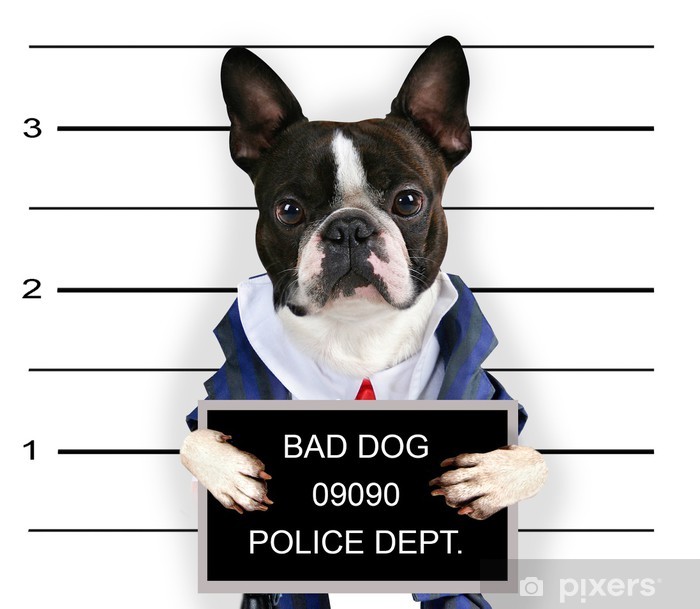
The love for a dog is often unconditional, a bond forged in shared moments of joy, comfort, and unwavering loyalty. Yet, for many dog owners, this profound connection is frequently overshadowed by the stress and embarrassment of persistent behavioural problems. The dog who is a perfect angel at home transforms into a lunging, barking menace on a walk. The sweet companion turns into a growling guard over a favorite toy. The noise of excessive barking shatters the peace of the home. In these moments of frustration, it’s easy to fall into the trap of labeling our beloved pet a “bad dog.” This label is a symptom of the owner’s deepest fears: the dread of a serious injury or liability from aggression, the fear of social isolation because their dog is unwelcome everywhere, and the constant feeling of losing control and competence as a pet parent. The financial and emotional toll of trying countless ineffective training methods only compounds the frustration.
This guide, “Beyond ‘Bad Dog’: Decoding the Real Reason Your Dog Misbehaves (and How to Fix It),” is built on the fundamental truth that dogs do not misbehave out of spite or malice; they misbehave because they are confused, stressed, fearful, or have an unmet need. We understand the exhaustion of constant vigilance and the longing for a peaceful, harmonious home. Our promise is to provide a clear, science-backed framework to decode your dog’s actions, identify the true root cause of their behaviour, and implement humane, force-free solutions that will not only fix the problem but also build a stronger, more trusting bond between you and your companion. Stop fighting the symptoms and start treating the cause today.
The Root Cause Analysis: Why Dogs Misbehave
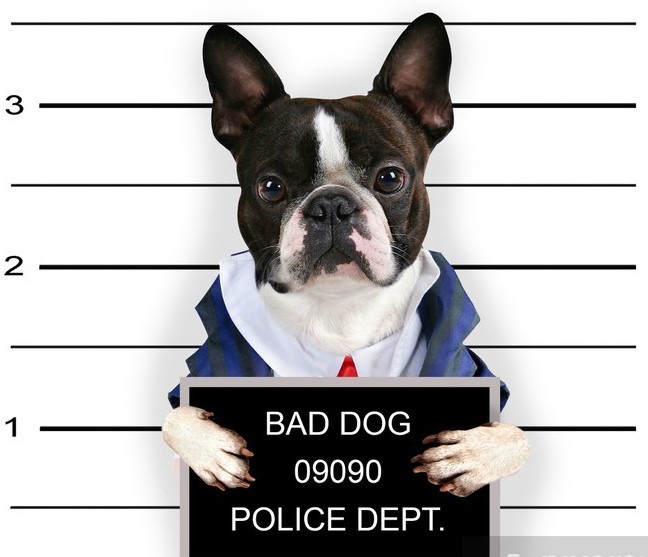
The first step in solving any behavioural problem is to abandon the “bad dog” label and adopt the mindset of a detective. Your dog’s misbehaviour is a form of communication, a symptom of an underlying issue that needs to be identified and addressed. The three most common root causes are medical issues, unmet needs, and a breakdown in communication.
The Real Reason Your Dog Misbehaves: It’s Not Spite
Understanding the “why” behind the behaviour is the key to finding a lasting “how” to fix it.
Medical Causes of Dog Behaviour Problems: Rule Out Pain First
Any sudden, unexplained change in a dog’s behaviour—especially the onset of aggression, increased irritability, or house-soiling—should first be investigated by a veterinarian. Pain, discomfort, and underlying medical conditions are frequent, yet often overlooked, drivers of problematic behaviour. For instance, a dog may suddenly snap when touched because of an arthritic joint, or a previously house-trained dog may begin having accidents due to a urinary tract infection. Similarly, hormonal imbalances, thyroid issues, and even neurological conditions can manifest as behavioural changes.
Medical causes of dog behaviour problems, Dog anxiety symptoms. A thorough veterinary check-up is the non-negotiable first step in addressing medical causes of dog behaviour problems. Only once physical health is confirmed can you confidently address the psychological and environmental factors contributing to dog anxiety symptoms or aggression.
Unmet Needs: The Boredom and Frustration Connection
Dogs are intelligent, active animals with fundamental needs that go beyond food and shelter. When these needs are consistently unmet, the resulting boredom and frustration often manifest as destructive or disruptive behaviours. A dog that is not receiving enough physical exercise may channel that excess energy into chewing furniture or digging up the yard. A dog lacking mental stimulation may resort to excessive barking or attention-seeking behaviours.
Environmental enrichment for dogs, Managing dog frustration. Providing adequate environmental enrichment for dogs, such as puzzle toys, training sessions, and varied walks, is crucial for managing dog frustration. A tired dog is often a well-behaved dog, but mental fatigue is just as important as physical exhaustion.
Communication Breakdown: Misunderstanding Dog Body Language
Dogs communicate constantly through a complex language of body postures, facial expressions, and subtle signals. Unfortunately, many owners miss these signals, leading to a communication breakdown. A dog that is growling or snapping is not being “aggressive” without warning; they are escalating a series of signals (lip licks, yawns, whale eye, stiffness) that were previously ignored. Misinterpreting these signals can lead to owners inadvertently punishing their dog for communicating fear or discomfort, which only suppresses the warning signs and increases the risk of a sudden, seemingly unprovoked bite.
Understanding dog body language, Dog communication signals. Learning to read and respect dog body language is essential for preventing conflict. Recognizing subtle dog communication signals allows you to intervene before your dog feels the need to escalate their behavior.
Common Misbehaviours Decoded and Fixed
Once the root cause is identified, the next step is to apply targeted, humane training and management strategies. Here, we decode the three most common and frustrating misbehaviors.
Decoding the Top 3 Misbehaviours: Causes and Humane Solutions
These problems are common, but they are also highly treatable with the right approach.
Excessive Barking Solutions: Silence the Stress
Excessive barking is one of the most common complaints, leading to neighborhood disputes and owner frustration. The key is to determine the function of the bark.
•Causes: Boredom, Territoriality, Attention-Seeking: A dog barking at every passerby is often territorial or fearful. A dog barking incessantly when left alone is likely bored or suffering from separation anxiety. A dog barking at you while you are on the couch is likely seeking attention.
•Solutions: Enrichment, Counter-Conditioning, Desensitization: For boredom, increase mental and physical enrichment. For territorial barking, use management (e.g., block the view of the window) and counter-conditioning (e.g., give a high-value treat every time a person walks by). For attention-seeking, ignore the bark and reward silence.
Excessive barking solutions, Dog obedience classes. Implementing effective excessive barking solutions often requires the foundational skills learned in dog obedience classes, particularly the “Quiet” command, taught through positive reinforcement.
Dog Aggression Triggers: Safety and Management
Aggression is a complex issue that requires careful management and professional guidance, but understanding the triggers is the first step to safety.
•Types: Fear-Based, Resource Guarding, Leash Reactivity: Fear-based aggression occurs when a dog feels threatened and is trying to increase distance. Resource guarding is the defense of a valued item (food, toys, space). Leash reactivity is an over-the-top reaction to other dogs or people while on a leash, often rooted in frustration or fear.
•Solutions: Management, Counter-Conditioning, Professional Help: Management involves preventing the dog from being in a situation where they feel the need to be aggressive (e.g., using a muzzle, avoiding triggers). Counter-conditioning involves changing the dog’s emotional response to the trigger from negative to positive. Never use punishment for aggression, as it will only suppress the warning signs and increase the risk of a bite.
Dog aggression triggers, Leash reactivity training, Resource guarding in dogs. Addressing dog aggression triggers, especially through specialized leash reactivity training and careful management of resource guarding in dogs, is critical for safety and requires a commitment to force-free methods.
Disobedience in Dogs: The Training Gap
A dog that ignores commands is not being stubborn; there is a gap in their training or motivation.
•Causes: Inconsistent Training, Lack of Motivation, Poor Foundation: If a dog only gets a reward sometimes, they are essentially gambling and will continue to try. If the reward is not high-value enough, they lack motivation. If the command was only taught in a quiet living room, they lack the foundation to perform it in a distracting park.
•Solutions: Positive Reinforcement, Clear Commands, High-Value Rewards: Go back to basics. Ensure your commands are clear and consistent. Use high-value rewards (e.g., chicken, cheese) to build strong motivation. Practice in a variety of environments to generalize the behaviour.
Disobedience in dogs, Positive reinforcement dog training. Overcoming disobedience in dogs is achieved through consistent, high-quality positive reinforcement dog training, which builds a strong desire in the dog to work with you.
The Fix: Building a Foundation of Trust and Obedience
The most effective and lasting solution to any dog behaviour problem is to build a relationship based on trust, respect, and clear communication. This foundation is built through consistent, force-free training methods.
The Foundation of a Well-Behaved Dog: Trust and Consistency
A well-behaved dog is the result of a well-informed owner and a trusting partnership.
Force-Free Training Methods: Building a Stronger Bond
Force-free training, also known as positive reinforcement or reward-based training, focuses on rewarding desired behaviours and managing the environment to prevent unwanted ones. This method is not only more humane but also scientifically proven to be more effective than punishment-based methods. Punishment-based training often suppresses the behaviour without addressing the underlying cause, leading to a breakdown in the bond, increased fear, and the potential for redirected aggression.
Force-free training methods, Building a trusting dog bond. Adopting force-free training methods is the best way to ensure you are building a trusting dog bond, where your dog chooses to work with you because it is rewarding, not because they fear punishment.
Consistency is Key: Training the Human First
Dogs thrive on routine and consistency. If one person in the household allows the dog to jump on the couch and another punishes them for it, the dog becomes confused and stressed. The most challenging part of dog training is often training the human family members to be consistent with commands, rules, and rewards.
Inconsistent dog behaviour, Clicker training for dogs. Addressing inconsistent dog behaviour requires a family meeting to establish clear rules. Tools like clicker training for dogs can help ensure precise and consistent communication of when the dog has performed the correct behaviour.
Socialization and Habituation: Creating a Confident Dog
Socialization is not just about meeting other dogs; it’s about habituating your dog to the sights, sounds, and experiences of the human world in a positive, non-threatening way. This process should continue throughout a dog’s life, not just during puppyhood. A confident dog is less likely to react out of fear or anxiety.
Dog socialization tips, Canine behaviour consultant. Following expert dog socialization tips and consulting with a canine behaviour consultant can help ensure your dog is well-adjusted and confident in a variety of environments.
When to Call the Experts: Professional Help
While many common misbehaviours can be managed with the strategies outlined above, some issues, particularly aggression and severe anxiety, require the intervention of a qualified professional. Knowing when to seek help is a sign of responsible dog ownership.
Beyond DIY: Partnering with a Professional Dog Trainer
Choosing the right professional is critical to your success and your dog’s well-being.
Certified Professional Dog Trainer (CPDT-KA): Your Training Partner
A Certified Professional Dog Trainer – Knowledge Assessed (CPDT-KA) has demonstrated a high level of knowledge in dog training and behaviour. They can help you implement effective training plans for obedience, manners, and mild to moderate behavioural issues. When choosing a trainer, always ask about their methods and ensure they are committed to force-free, positive reinforcement techniques.
Certified professional dog trainer (CPDT-KA), Dog behaviour specialist. Partnering with a Certified professional dog trainer (CPDT-KA) or a qualified dog behaviour specialist ensures you are receiving expert, ethical guidance tailored to your dog’s specific needs.
Veterinary Behaviourist: Integrating Medical and Behavioural Care
For severe cases of aggression, separation anxiety, or obsessive-compulsive disorders, a Veterinary Behaviorist (DACVB) is the highest level of expertise. These are veterinarians who have completed extensive residency training in animal behaviour and are board-certified. They can diagnose and treat complex behavioural disorders, often integrating behavioural modification with medical management (medication).
•When to Seek a Specialist for Severe Anxiety or Aggression: If your dog’s behaviour poses a safety risk, if you have tried positive reinforcement methods without success, or if the behaviour is sudden and severe, a Veterinary Behaviourist is the best resource.
Conclusion: From Misbehaviour to Mutual Joy
The journey from a frustrating, chaotic relationship with a “misbehaving” dog to a harmonious, joyful partnership begins with a single, powerful shift in perspective: understanding that your dog is not being bad, but is struggling. The fears of injury, social isolation, and loss of control are real, but they are not permanent.
This guide, “Beyond ‘Bad Dog’,” has provided the roadmap to a solution. By first ruling out medical causes, then addressing unmet needs through environmental enrichment, and finally, by building a foundation of trust and obedience through consistent, force-free training, you can resolve the root causes of misbehavior. The benefit is profound: a peaceful home, the confidence to take your dog anywhere, and a deep, trusting bond that enriches both your lives. Start decoding your dog’s behaviour today, and step into the joy of a truly well-adjusted, happy companion.